Wednesday 14 / October / 2026
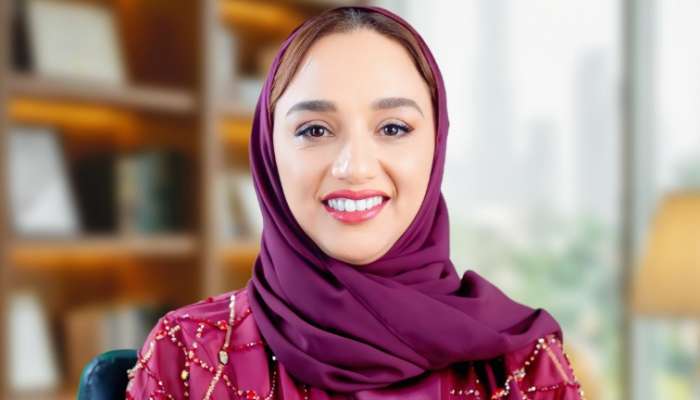
Muscat. At OEX 2025, Green Umbrella unveiled a bold new chapter, merging Green Umbrella Recruitment (GUR) and Green Umbrella Business Development (GUBD) into a single, unified brand.
The rebrand signals more than a name change, it reflects a vision for growth, connection, and workplace cultures where people don’t just work, they thrive. We sat down with Maryam Al Shabibi, the founder driving this transformation, to hear her insights on the evolving workforce in Oman and the GCC, engaging Gen Z, and what the future holds for talent in the region.
Q: Take us back to the beginning, what led you to establish Green Umbrella, and what gap did you see in Oman’s recruitment landscape at the time?
A: When I founded Green Umbrella, I had a clear mission: to create a recruitment service that put people, purpose, and long-term development at the heart of every decision. Early in my journey, I saw a disconnect — talented individuals who were eager to contribute, and employers searching for sustainable solutions, yet the two were not aligned.
I believed then — and still believe today — that Oman’s greatest asset is its human resources wealth. Green Umbrella was created to unlock that wealth by bridging the gap between opportunity and potential. I wanted to move beyond transactional hiring and build a more ethical, personalised, and strategic approach that supported both individuals and organisations in a meaningful way.
Over time, that vision expanded, and Green Umbrella has grown into a partner for recruitment, workforce development, and national talent empowerment.
Q: The world of work is changing fast. How do you see workforce trends evolving in Oman and the wider GCC, particularly around nationalisation, hybrid work and increased automation?
A: We are witnessing one of the most significant shifts in the modern workforce. In Oman and across the GCC, nationalisation efforts are opening new doors for local talent, while organisations are rethinking how they structure work, develop skills, and plan for the future.
Hybrid work models are changing expectations around flexibility and productivity, and technological advancement is pushing every sector to rethink the skills they need to stay competitive.
Across the region, governments and businesses are increasingly recognizing that building human resources wealth — through skills, adaptability, and long-term development — is becoming the most powerful competitive advantage.
The organisations that succeed will be those that integrate strong national talent strategies, technology, and agile work cultures into their DNA
Q: You work closely with Gen Z professionals. What defines this new generation of employees, and how are companies learning to engage and retain them?
A: Gen Z is redefining the workplace. They are ambitious, purpose-driven, and unafraid to challenge outdated norms. Through Green Umbrella’s training initiatives and graduate development programs, I’ve seen firsthand that this generation values continuous learning, transparent leadership, and workplaces that encourage innovation and expression.
Companies that engage Gen Z effectively do so by creating environments where growth is intentional and ideas are valued. It’s not about perks — it’s about culture. Those who understand this are not only retaining their young talent but are also cultivating the region’s future leaders.
Q: When it comes to tech talent, how do you view the balance between developing homegrown expertise and attracting global professionals to the GCC? Is there a skill-shortage?
A: We are entering an era where digital capability is essential, not optional. While Oman and the GCC have made impressive strides in developing local talent in AI, data science, cybersecurity, and digital transformation, demand continues to grow. The smartest approach is a strategic balance. Homegrown talent ensures long-term national capability, cultural alignment, and resilience.
International expertise accelerates innovation, brings global best practices, and supports knowledge transfer.
Although certain skill gaps remain, they are narrowing. Enhanced university programs, upskilling initiatives, and skills-based hiring strategies are strengthening the region’s human resources wealth and moving us steadily towards a robust, future-ready tech workforce.
Q: As a leader and entrepreneur, what have been some of your key learnings about building trust among clients and staying relevant in a fast-changing talent market?
A: Trust is built through ethics, consistency, and transparency. Recruitment influences people’s futures, and that responsibility requires integrity. Over the years, I’ve learned that listening — truly listening — to both clients and candidates is essential for delivering meaningful solutions.
To stay relevant, you must embrace change early. That means continuous learning, staying ahead of workforce trends, and leveraging technology to deliver greater insight. But at the heart of it all is human connection.
No matter how advanced our tools become, people remain the core of every thriving organisation.
Q: On the rebrand: Green Umbrella’s rebrand marks an important milestone. What inspired this new chapter for Green Umbrella, and how does it reflect the company’s evolution since you first started?
A: This rebrand represents a bold new chapter. Over the past decade, Green Umbrella evolved from a recruitment agency into a comprehensive workforce and development partner. It was time for our identity to reflect who we have become — and where we are going. “At its core, the rebrand reflects our commitment to developing Oman’s human resources wealth through a holistic approach that integrates recruitment, training, assessment, and long-term workforce strategy.”
The unification under one brand — One Umbrella — means our clients can expect a seamless experience, from sourcing and assessing talent to developing and empowering them. It reflects our long-term vision to support Oman and the wider GCC in building sustainable, competitive, and future-ready workplaces.