Saturday 08 / August / 2026
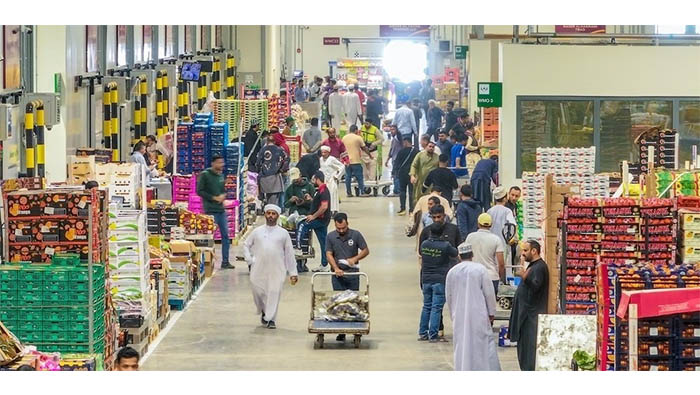
Muscat: The Sultanate of Oman joins the international community in observing World Food Safety Day, which falls on 7 June each year, with the aim of raising awareness about the importance of safe food and its role in protecting human health and supporting sustainable development.
Marking this occasion serves to highlight the responsibility of all parties within the food chain—from producers, manufacturers, and distributors to consumers—to ensure that safe and sound food reaches consumers' tables. It also seeks to promote sound food culture, strengthen preventive practices to reduce foodborne diseases, and support national and international efforts aimed at building safer and more sustainable food systems, thereby positively impacting public health, the economy, and food security.
The Food Safety and Quality Centre places great emphasis on food traceability systems as a foundational pillar for ensuring food safety and managing risks. The Centre works to enforce traceability requirements at all stages of the food chain, enabling the identification of the source and path of a food product—from production or importation, through manufacturing, storage, transport, and distribution, to the final consumer.
These traceability systems, implemented by the Centre, facilitate rapid response upon the detection of any non‑compliant product or one posing a risk to public health. Through coordination with specialists, affected products are identified and efficiently withdrawn from the market, thereby reducing potential risks and protecting consumers.
The Centre applies an integrated regulatory and scientific system to combat food fraud, based on field inspection, sampling from markets, import points, and food establishments, and conducting specialized laboratory tests to verify product compliance with approved specifications and requirements. It also takes appropriate legal and administrative actions against violators in accordance with applicable legislation, thereby protecting consumers and enhancing trust in food products circulating in the markets.
The Food Safety and Quality Centre requires food establishments to implement a set of health and operational practices based on national and international food safety standards. These include, most notably: applying personal hygiene requirements for workers and ensuring their fitness for duty; adhering to good manufacturing and handling practices for food; maintaining appropriate temperatures during storage, transport, and display; preventing cross‑contamination between raw and ready‑to‑eat foods; and providing effective systems for product traceability, complaint handling, and product recall when necessary.
This compliance contributes to enhancing the safety of food products on the market, reducing health risks, protecting consumers, and raising overall confidence in the food sector.
In this context, the Food Safety and Quality Centre organized an awareness lecture aimed at raising understanding of the importance of safe food and its role in protecting public health and reducing foodborne diseases.
The lecture addressed the importance of scientific data and evidence in identifying risks and translating them into effective solutions that contribute to strengthening the food safety system. It also reviewed the Centre's key achievements and ongoing efforts to advance the food safety sector in the Sultanate of Oman.
These efforts include several high‑impact initiatives launched by the Food Safety and Quality Centre, most notably the calorie display on menus initiative, which aims to empower consumers to make informed dietary choices and promote healthy consumption patterns, and the sugar reduction initiative, which encourages food establishments and cafés to offer lower‑sugar options and beverages, thereby spreading a culture of moderation and enhancing public health.
The Centre also highlighted the logistics services development for safer food initiative, which aims to improve the transport system for vegetables, fruits, and fish by promoting the use of refrigerated transport that complies with cold chain requirements. This ensures the preservation of product quality and safety during transport and distribution, helps reduce food loss and waste, and enhances the competitiveness of Omani products.
The event also featured an awareness corner offering sugar‑free or low‑sugar meals and beverages, with the aim of encouraging consumers to adopt healthy dietary choices and raising awareness of the importance of reducing sugar consumption, in line with the objectives of national initiatives to improve quality of life and enhance community health.
In a related context, Muscat Municipality attaches great importance to health awareness as a fundamental pillar for promoting public health. It conducts awareness and training workshops for specialists in food handling areas as well as for the general consumer public, disseminating awareness materials across print, audio, visual, and social media platforms, thereby contributing to raising community awareness and strengthening the culture of food safety.
Muscat Municipality also collects water and food samples for biological and chemical analysis at the Muscat Municipality Laboratory to verify the compliance of food products with approved health requirements and to ensure their safety for human consumption. The Municipality takes action against food establishments that fail to comply with health regulations and controls, operating within a legal partnership with relevant authorities in field inspection processes.