Wednesday 04 / March / 2026
Muscat: As tensions around the Strait of Hormuz rattle global energy markets and disrupt marine traffic, Oman appears comparatively insulated from the immediate fallout, according to assessments by leading ratings agencies Moody's Ratings and S&P Global Ratings.
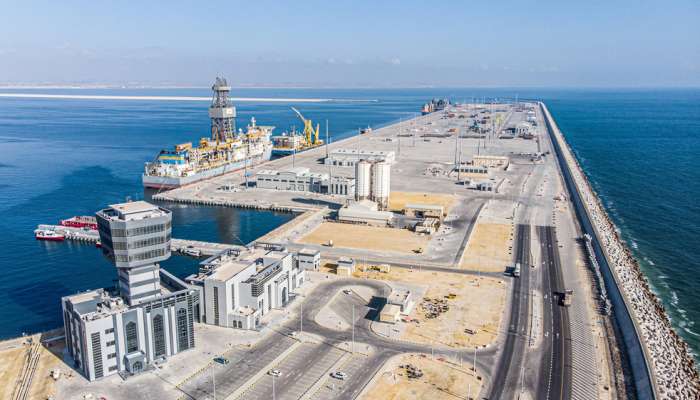
Unlike several Gulf neighbours whose crude exports depend heavily on the Strait of Hormuz, Oman’s energy and commodity shipments bypass the chokepoint. The Sultanate’s export terminals at Sohar, located on the Sea of Oman, and Duqm, on the Arabian Sea coast, operate entirely outside the Strait of Hormuz’s shipping lanes — a structural advantage at a time when insurers are withdrawing cover and ship operators are steering clear of the flashpoint.
Moody’s noted in commentary on the geopolitical risks facing the wider region, that Oman “does not rely on the Strait of Hormuz for its exports” and could therefore benefit from elevated oil prices while maintaining uninterrupted shipping.
S&P echoed that view, describing Oman as less exposed to the risk of a Hormuz blockade, even though parts of the region’s wider infrastructure have come under strain. The agency, in a separate bulletin assessing regional vulnerability to supply-chain disruptions, added that Oman’s container terminals could act as alternative gateways for regional trade, potentially strengthening its external position and supporting economic growth.
The Strait of Hormuz — through which a significant share of global oil flows — has seen traffic slow to near-standstill levels amid hostilities between Iran and US aligned with Israel.
Moody’s cautioned that the duration of instability will ultimately determine the credit impact. In the near term, oil inventories held outside the Gulf — including cargoes already loaded before the escalation — are providing a temporary buffer, similar to the contingency measures that helped stabilise markets after the 2019 attacks on Saudi oil facilities. A planned 206,000-barrel-per-day output increase by OPEC+ from April may offer limited additional mitigation.
Both agencies warned that a prolonged disruption would materially alter the outlook. Sustained closure of the Strait of Hormuz could drive oil prices sharply higher, deepen global risk aversion and widen credit spreads, particularly across high-yield markets. Refinancing risks would intensify for issuers with near-term maturities, especially in energy-intensive and cyclical sectors already grappling with elevated costs.
S&P highlighted that the economic shockwaves would extend beyond energy, affecting trade flows — particularly exports to Asia — capital movements, tourism and potentially even population mobility. Borrowing costs are also expected to rise in the short term, increasing pressure on entities with significant refinancing needs.
For Oman, the strategic positioning of its ports outside the Strait of Hormuz offers a degree of insulation at a critical juncture. While the broader region faces heightened volatility, the Sultanate’s geography — long viewed as a logistical advantage — may now prove a decisive economic buffer.