Wednesday 01 / April / 2026
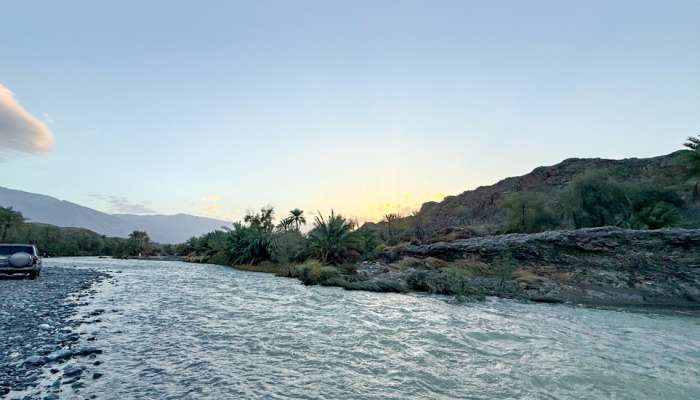
Muscat: Recent heavy rainfall across the South Al Batinah Governorate has breathed new life into the region’s wadis and Aflaj, turning them into thriving natural attractions and drawing visitors eager to experience Oman’s refreshed landscapes.
The downpours have triggered strong flows in streams and valleys, replenishing traditional irrigation channels and enhancing the scenic beauty of several wilayats. With cooler temperatures, clear waters, and lush greenery, many of these locations have become popular weekend destinations for families, nature lovers, and adventure enthusiasts.
Wadis across the governorate now offer a unique blend of rugged mountains, fertile farms, and traditional villages, creating ideal settings for hiking, exploration, and eco-tourism. The revival of the aflaj system has further added to the appeal, showcasing an essential part of Oman’s cultural heritage while continuing to support local agriculture.
In Wilayat Nakhl, Wadi Al Abyad stands out as a key attraction with its steady water flow and picturesque surroundings. Nearby, Wadi Mistal villages such as Hadash, Al Qura, and Wakan offer visitors a mix of natural springs, greenery, and traditional charm. Wadi Al Hamam, fed by Ain Al Thawarah, and Wadi Buwah have also seen rising visitor interest, particularly among adventure seekers.
Wilayat Al Awabi has witnessed similar activity, with Wadi Bani Kharous emerging as one of the most prominent destinations due to its length and diverse terrain. Other valleys, including Wadi Al Asami and Wadi Al Subaykha, provide tranquil environments suited for relaxation, while Falaj Bani Khazir remains a family-friendly spot.
In Al Rustaq, Wadi Al Sahtan, Wadi Bani Awf, and Wadi Al Hawqain continue to attract visitors with their flowing waters, waterfalls, and mountain landscapes. Additional wadis such as Wadi Bani Hani and Wadi Bani Ghafir further enrich the wilayat’s tourism offerings.
Meanwhile, in Wilayat Wadi Al Maawil, strong flows have revitalized wadis including Al-Lajal, Al-Ain, and Al-Maysin, transforming them into serene natural retreats for visitors seeking peace and scenic beauty.
Authorities have highlighted the importance of preserving these environments while promoting sustainable tourism. The South Al Batinah Municipality has stepped up efforts to improve infrastructure, including road access, safety measures, and public services at key sites.
The Heritage and Tourism Department is also actively promoting these destinations by incorporating wadis and aflaj into tourism itineraries and organizing awareness initiatives in collaboration with relevant entities.
With nature at its peak following the rains, South Al Batinah is emerging as a seasonal eco-tourism hotspot, offering visitors a rich blend of environmental beauty and cultural heritage.