Tuesday 09 / June / 2026
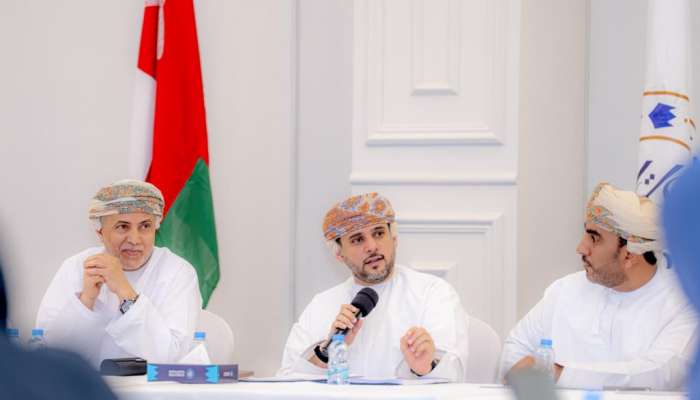
Muscat: Oman Chamber of Commerce and Industry (OCCI) organised a workshop in Muscat on Wednesday in cooperation with the Public Authority for Special Economic Zones and Free Zones (Opaz).
The session discussed the executive regulations for special economic zones and free zones, as part of efforts to enhance the partnership between regulatory bodies and the business community to formulate and develop economic regulations and legislation in the Sultanate of Oman.
Faisal Abdullah Al Rowas, Chairman of the Board of Directors of OCCI, explained that special economic zones and free zones represent a fundamental pillar in the march of modern economic development due to their pivotal role in attracting local and foreign investments and providing a competitive, stimulating environment for business, in addition to their contribution to diversifying income sources and expanding the production base.
He emphasised the importance of the executive regulations as a vital regulatory and legislative tool that contributes to establishing legal frameworks, clarifying procedures, and enhancing transparency. This ensures a balance between stimulating investment and ensuring compliance, providing investors with a clear and stable environment that supports decision-making. He noted that these regulations ensure the alignment of legislation with investor needs and provide solutions to challenges in the business environment, stating that this workshop represents an opportunity to exchange views and experiences and monitor practical observations that contribute to developing regulatory texts and making them more flexible and efficient.
Eng. Ahmed Hassan Al Dheeb, Vice Chairman of Opaz, stated that reviewing the draft executive regulations of the Law on Special Economic Zones and Free Zones comes within the framework of the Authority's keenness to involve investors and business owners in drafting the new regulations and identifying their perspectives to enhance the investment environment in the zones supervised by the Authority.
Al Dheeb affirmed that the Authority is keen on adopting flexible legislative policies that respond to changes in the business environment and investor aspirations, contributing to raising competitiveness and investment attractiveness.
He noted that the discussions during the workshop reflect the level of transparency and trust between the Authority and the private sector, expressing the commitment of both parties to promote investment in special economic zones, free zones, and industrial cities, while creating an attractive investment environment that stimulates economic growth and supports private sector investments.
During the workshop, the Chamber's observations regarding certificates of origin, Value Added Tax (VAT), and coordination mechanisms with government agencies were addressed. The session emphasised the importance of simplifying and unifying the mechanisms for issuing certificates of origin to keep pace with international trade requirements and enhance the competitiveness of national products in foreign markets. Additionally, regulatory frameworks associated with VAT within special economic and free zones were clarified to ensure a balance between tax compliance and investment attractiveness.
The workshop concluded by stressing the importance of developing institutional coordination mechanisms between various government agencies to help reduce duplication and accelerate procedures, particularly those related to licensing, customs clearance, and logistics. This aims to improve the business environment, support economic diversification paths, attract quality investments, and provide job opportunities.