Tuesday 02 / June / 2026
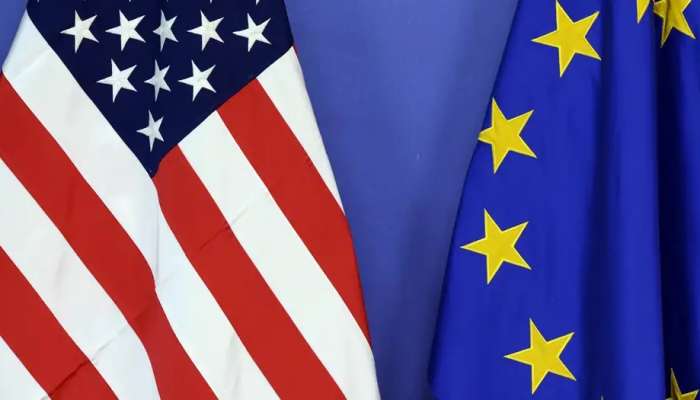
Brussels: A European Parliament committee voted overwhelmingly on Tuesday to remove EU import duties on a raft of US goods.
The tariff cuts are key to complying with a US-EU trade deal that was agreed in July last year and averting the return of a trans-Atlantic trade row.
US President Donald Trump gave the bloc until July 4 to ratify the deal or face higher tariffs on European goods.A European Parliament committee voted overwhelmingly on Tuesday to remove EU import duties on a raft of US goods.
The tariff cuts are key to complying with a US-EU trade deal that was agreed in July last year and averting the return of a trans-Atlantic trade row.
US President Donald Trump gave the bloc until July 4 to ratify the deal or face higher tariffs on European goods.
Tuesday's vote saw the European Parliament's trade committee back the legislation to enact the duty reductions, with 31 in favor, six against and three abstentions. It also voted in favor of continuing zero duties for US lobsters.
The legislation is expected to be approved by the full EU assembly in mid-June.
What's in the US-EU trade deal?
The accord caps US levies on most European imports into the US at 15%.
In return, the EU pledged to scrap tariffs on US industrial goods and ease market access for US agricultural products such as pork, dairy and seafood.
The US is the EU's largest trading partner, with an annual exchange of $2 trillion (€1.7 trillion) in goods and services.
Why has the deal taken so long to ratify?
The EU's implementation of the deal was delayed by several factors affecting the bilateral relationship between the US and the EU.
Frustration over other tariff threats by Trump, the dispute over his bid to annex Greenland, and the legal uncertainty triggered by a US Supreme Court ruling that struck down many of his existing tariffs, all had a role in slowing down progress on the deal's ratification.
EU lawmakers eventually gave their green light in March, but they also sought additional safeguards should the US renege on its commitments. Some of those measures were subsequently scaled back to avoid reigniting trade tensions with Washington and creating uncertainty for EU businesses.
A so-called "sunset" clause to terminate the deal by March 2028, unless there is new legislation to renew it, was pushed back to the end of 2029 — after Trump's term in office ends.
The text also gave the US until the end of the year to drop extra taxes above 15% on steel components, rather than making it a precondition for the deal's ratification.
A "sunrise" clause — under which the EU side of the accord would kick in only once the US makes good on its pledges — was dropped.