Thursday 04 / June / 2026
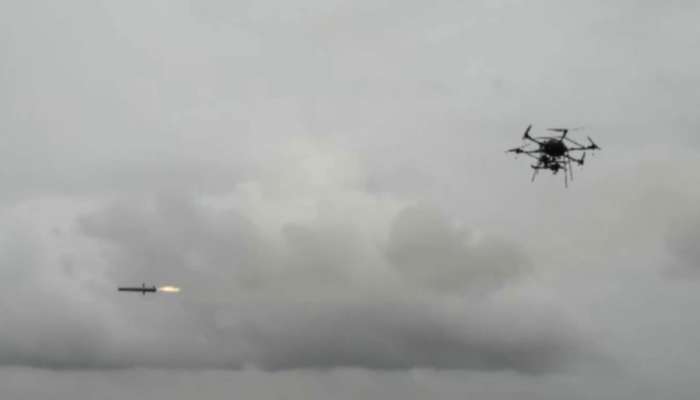
New Delhi: India is preparing for what could become its largest-ever domestic military drone procurement programme, underscoring a major shift in the country's defence strategy and its push for self-reliance in advanced military technology.
According to a report , India is expected to place orders worth more than $2 billion for military drones from domestic manufacturers this year. The procurement, described as the biggest of its kind in the country, is expected to strengthen the capabilities of the armed forces while boosting the local defence manufacturing sector.
The report cited the Drone Federation of India, which works closely with the government on policy and industry development. Deliveries of the drones are expected to take place over the next 18 to 24 months.
Smit Shah, President of the federation, said the planned procurement marks a substantial increase compared to recent government orders worth about 30 billion Indian rupees (approximately $313 million) for tactical-class drones. The anticipated acquisition reflects growing emphasis on unmanned systems for surveillance, reconnaissance, logistics and combat support roles.
The move is also expected to provide a significant boost to India's rapidly expanding drone industry, which comprises hundreds of companies developing indigenous technologies in line with the government's “Make in India” and defence indigenisation initiatives.
India's push follows clashes with Pakistan in May last year, when both sides deployed unmanned aerial vehicles at scale for the first time, highlighting the offensive potential of low-cost drones. The conflicts in Ukraine and Iran have further accelerated adoption globally, driving down costs and reshaping battlefield tactics.
Ramesh Chandra Padhi, an executive at IG Defence, a builder of advanced unmanned aerial and short-range missile systems, called drones 'force multipliers on the modern battlefield,' adding that the Indian army is pursuing emergency and fast-track procurement to induct drones on a very large scale.
Shah said the new orders may follow a fast-track procurement route designed to meet urgent operational needs, with deliveries needed within 24 months.