Sunday 21 / June / 2026
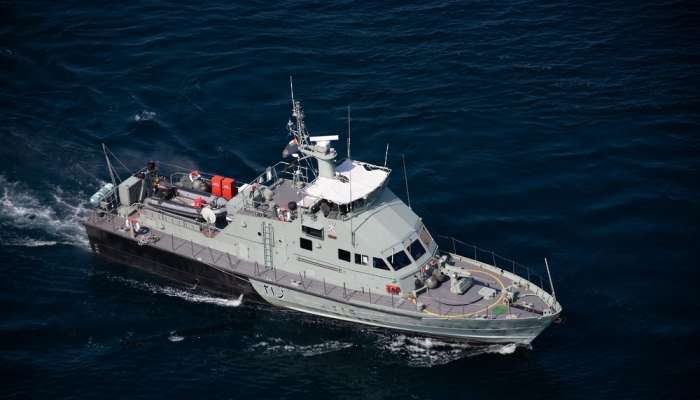
Muscat: The Royal Navy of Oman (RNO), represented by Oman National Hydrographic Office, is marking the World Hydrography Day, which falls on 21 June every year.
The celebration aims to highlight the importance of the science of hydrography in ensuring maritime navigational safety and preserving the marine environment to achieve the sustainable development of oceans, given that digital transformation has become one of the fundamental pillars for developing vital sectors and enhancing the efficiency of data-driven services.
The field of hydrography is among the areas witnessing a rapid transition toward digitalization through the development of mechanisms for collecting, managing, and exchanging marine data in accordance with the latest standards and technologies. This transformation is not limited to merely enhancing maritime navigational safety; it extends to supporting the blue economy, promoting environmental sustainability, and empowering decision-makers with accurate data.
This aligns with the strategic objectives of the International Hydrographic Organization (IHO), which has focused on supporting digital transformation, developing the universal hydrographic data model, and enhancing the use of hydrographic data and modern technologies in navigation and the management of the marine environment.
This year's celebration comes under the theme "Transforming How Ocean Data is Shared". The theme focuses on the rapid development in the management of marine spatial data and how it is shared with relevant sectors, confirming the transformation of hydrographic data from mere traditional information into a digital element that assists decision-makers in various maritime fields.
Digital transformation in hydrography represents a fundamental pillar for the development of maritime services, as it contributes to improving the accuracy and efficiency of collecting, processing, and exchanging hydrographic data. It enhances the safety of maritime navigation, supports the blue economy, and raises the efficiency of marine resource and environmental management. It also contributes to mitigating risks by providing real-time and accurate data that aids in proper planning, thereby reducing maritime accidents, oil spills, environmental disasters, and the impact of severe climatic conditions. This, in turn, will contribute to increasing the activities of seaports, shipping operations, fishing, marine tourism, and the exploration of submerged marine resources.