Tuesday 18 / August / 2026
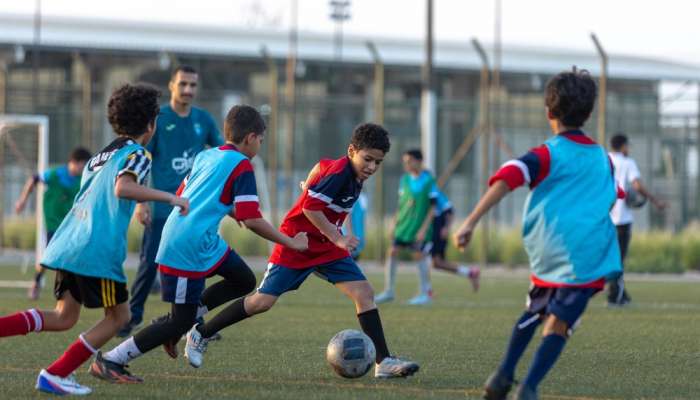
Muscat: Private sports academies are emerging as an increasingly important platform for discovering and developing young sporting talent in Oman, drawing on accumulated expertise to provide structured training and promote a culture of sports participation across different age groups.
Representatives of several sports academies said the institutions are playing a growing role in identifying promising athletes, developing their technical abilities and preparing them for progression to clubs and, ultimately, national teams.
Jamal bin Hamoud Al Habsi, administrative director of Al Habsi Academy, said the academy was established drawing on Captain Ali Al-Habsi’s professional experience in Arab and European leagues. It aims to develop young players aspiring to professional careers through scientific and practical training, with the broader goal of producing Omani footballers capable of competing in international tournaments and representing international clubs.
The academy targets children aged between 5 and 14, which Al Habsi described as a foundational stage before players move into youth teams at clubs. Training at this stage helps youngsters develop a professional mindset and sporting values that are important for those seeking a career in football.
He said the academy has already produced several emerging talents who have represented Oman’s youth and junior national teams.
Al Habsi stressed that the academy’s role extends beyond technical training to character development. Players are encouraged to embrace values such as belonging, self-discipline, respect, responsibility and continuous improvement, creating a comprehensive system that also supports families in raising their children.
The academy has also introduced sports programmes for children with Down syndrome in cooperation with the Oman Down Syndrome Association. The initiatives seek to integrate children into sports activities, develop their motor and social skills, strengthen self-confidence and promote equal opportunities in sports.
Al Habsi said attracting qualified coaches is an important indicator of the academy’s commitment to training quality. The academy is also seeking partnerships with clubs inside and outside Muscat Governorate to create a sporting bridge between academies and clubs and strengthen the supply of promising players to the national team.
He also stressed the importance of strengthening legislative regulations governing the establishment of sports academies, saying this would contribute to producing more competitive athletes.
Haitham bin Saeed Al Shanfari, director general of Rio International Sports Academy, said the academy’s vision is aligned with efforts to support the sports sector and develop emerging talent through professional standards that prepare athletes for regional and international competition.
He said the academy seeks to shorten the pathway for talented players by providing opportunities to connect with international clubs and participate in professional assessments conducted by experienced international coaches.
Maintaining high-quality training programmes and attracting international expertise, however, requires substantial investment and high operating costs, Al Shanfari said. The academy therefore seeks to balance financial sustainability with its objective of developing sporting talent.
He added that the academy’s approach includes partnerships with clubs, educational institutions, charities and rehabilitation centres, strengthening its community role and allowing its programmes to reach wider segments of society.
Expanding the network of sports academies, he said, would provide more opportunities for young talents who require guidance and support. It would also help distribute sporting development across more governorates instead of relying primarily on clubs, creating wider channels for talent discovery and increasing the long-term benefits of sports for young people.
Youssef bin Hashel Al Maskari, head of Global Talents Academy in the Wilayat of Ibra, said the academy follows a comprehensive programme aimed at developing players’ technical, physical and mental abilities.
Outstanding players are promoted annually to junior and youth clubs, he said, helping ensure continuous development and refinement of talent.
The academy has also introduced a recreational sports programme for girls this year under the “Summer of Sports” programme, in cooperation with the Ministry of Culture, Sports and Youth. The initiative aims to broaden participation in sports and provide quality programmes for different age groups.
Al Maskari said the academy views sport as a means of education and character-building as much as competition. Training sessions are designed to promote values and ethics while developing leadership, cooperation and respect.
He said one of the most significant changes observed among participants is a shift from individualistic thinking towards teamwork. Players increasingly focus on collective success, appreciate their teammates’ contributions and take greater responsibility for their own performance and role within the team.
According to Al Maskari, this process strengthens self-discipline, with players gradually developing a personal commitment to attending training, preparing properly and maintaining their physical fitness rather than simply following instructions.
He said parents have also observed positive changes in their children’s behaviour at home and outside the academy.
The academy’s ultimate objective, Al Maskari added, is not limited to developing technical ability but also to building character and instilling a “champion’s mentality”. A successful athlete, he said, should combine sporting ability with values, commitment and responsibility.
Mohammed bin Ali Al Riyami, general supervisor of Najoum Bahla Sports Academy in the Wilayat of Bahla, said consistency in training is crucial to the development of young athletes.
Players who attend only seasonal programmes, he said, may not achieve the same level of development as those who participate consistently, as regular training is essential for building physical, technical and mental abilities and preparing athletes for more advanced stages.
The academy has sought to recruit national coaches holding Asian Football Confederation-accredited licences, Al Riyami said. This provides a continuous foundation for improving the technical and physical levels of young players and increasing the intensity of training, particularly during the early stages of development.
The academy has also helped provide opportunities for age groups that previously had limited access to football development programmes, particularly children aged 12 and under. Some participants have subsequently joined Bahla Sports Club, while others have progressed to local teams.
Al Riyami said the academy’s role also extends to social responsibility, with players taking part in initiatives, events and workshops covering areas such as first aid and self-development.
Such activities have contributed to players’ development both on and off the field, reinforcing the role of sport in building character, maintaining balance and encouraging regular participation.
“Academies are partners in shaping the future of Omani sports,” Al Riyami said, describing them as an important link between players and clubs. Through its partnership with Bahla Club, the academy has helped provide talented players for the club’s youth sector.
Bader bin Khalifa Al Salmi, supervisor of Al-Oud Football Academy in the Wilayat of Suwaiq, highlighted the importance of family support in developing young sporting talent.
He said the success of any sports project targeting young people begins at home, with families playing a central role in identifying children’s interests, encouraging their participation, supporting commitment and perseverance, and providing psychological and moral support throughout their development.
Academies may have qualified coaches and advanced training programmes, Al Salmi said, but without family support young athletes may not be able to benefit fully from those resources.
At the same time, families seeking to develop their children’s abilities need specialised institutions to provide training, development and skills refinement.
He therefore stressed that sustainable success depends on integration between families and academies. When both share the same objective and maintain continuous communication, the results are more sustainable and effective.
Al Salmi also called for greater support from community institutions, schools and the media to promote awareness of the importance of sport and create an environment that encourages young people to participate.
When families, academies and the wider community work together, he said, the outcome goes beyond producing talented athletes to building a generation characterised by health, discipline, self-confidence, teamwork and commitment.