Wednesday 19 / August / 2026
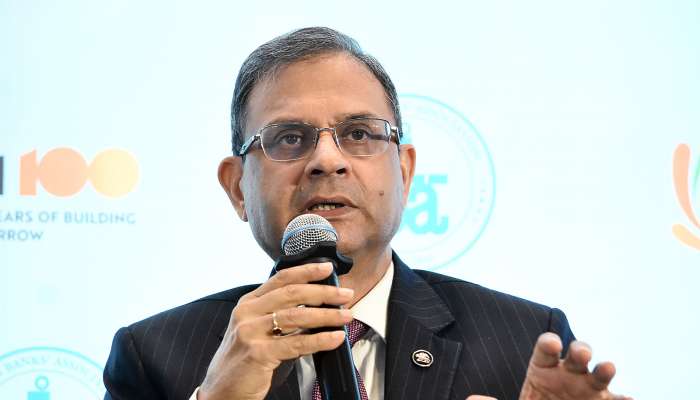
Mumbai: Reserve Bank of India (RBI) Governor Sanjay Malhotra has kept the outlook for the policy rate open, saying the central bank would need greater clarity on the inflation trajectory before considering any recalibration of the policy rate, according to the minutes of the Monetary Policy Committee (MPC) meeting.
Malhotra, who voted to keep the policy rate unchanged while retaining the neutral stance, said inflation has been showing signs of normalisation from the benign levels seen earlier. However, he preferred to wait for more evidence before taking any decision on the future policy rate.
"I would prefer to wait for more certainty to emerge on the inflation trajectory in terms of the persistence of realised prints at these or higher levels, the forecast and the likely levels to which inflation may normalise and settle, for any recalibration of the policy rate," Malhotra said in the MPC minutes.
The comments provide a forward-looking view of the RBI's thinking after the MPC decided to keep the policy rate unchanged at its meeting announced on August 5.
Malhotra said the Indian economy had performed better than expected in the first quarter of 2026-27 despite several challenges, including the conflict in West Asia, disruption to supply chains, heightened uncertainty and an erratic monsoon.
He said the economy is expected to remain resilient, with growth projected at 6.7 per cent for the financial year.
"A growth of 6.7 per cent, as projected for this financial year is robust, given the headwinds," Malhotra said.
At the same time, the Governor flagged rising inflation pressures. He said inflation is expected to peak in the third quarter before moderating, with the average inflation for the financial year projected at five per cent.
Malhotra said the current increase in inflation is largely driven by supply-side factors, particularly higher food and fuel prices. He noted that there were limited signs of inflation becoming broad-based, while core inflation remained modest.
"This shock does not therefore call for a monetary response to curtail demand as of now," he said.
The Governor also pointed to the difference between the current inflation environment and the period when the policy rate had previously been reduced. Average inflation last year was only two per cent when the policy rate was brought down to 5.25 per cent, he said.
Headline inflation has averaged 3.93 per cent so far this year, while core inflation excluding precious metals is expected to converge with core inflation in the final quarter of the financial year. Core inflation is projected to average 4.3 per cent in 2026-27, according to Malhotra.
These developments, he said, could suggest a need for a recalibration of the policy rate, but the RBI Governor said he would prefer to wait for greater certainty.
The minutes also show that the RBI is keeping a close watch on risks from food, fuel and other input costs. Malhotra said these pressures could become more widespread and affect inflation expectations.
The comments suggest that while the August 5 policy decision kept rates unchanged, future policy action will depend significantly on how inflation behaves in the coming months.
The RBI is therefore balancing two developments -- resilient economic growth and emerging inflation pressures. While the current inflation increase has largely been attributed to supply-side factors and does not warrant a demand-curbing monetary response at present, the Governor has left the possibility of future rate recalibration open if inflation proves more persistent than expected.